
In 2026, agricultural carbon markets have crossed a critical threshold, with Verra approving 3.03 million soil carbon credits from Boomitra’s Northern Mexico Grassland project, proving that digitally monitored farmland can generate high‑value, large‑scale carbon assets.
Key Takeaways
| Question | Answer |
|---|---|
| What is agri‑fintech for drone‑verified carbon credits? | It is the fusion of agricultural finance and digital measurement, where drones, sensors, and analytics quantify carbon outcomes on farms so credits can be issued, financed, and traded with confidence. |
| Why are drones so important in 2026 agri‑carbon markets? | Drones provide high‑resolution, repeatable data streams on crop health, biomass, and management practices, which are essential for MRV (measurement, reporting, verification) under standards like Verra VM0042, as explained in this overview of drones in agriculture. |
| How big is the opportunity for drone‑verified agricultural carbon credits? | The VM0042 project pipeline is estimated to have potential for around 126 million tonnes of reductions and removals annually, making data‑driven agri‑carbon one of the fastest‑growing climate finance segments in 2026. |
| Can Indian farms participate in this new carbon economy? | Yes, especially with India‑made technology and compliant platforms such as enterprise‑grade Pixella drones for agriculture, aligned with India’s drone rules and Atmanirbhar Bharat vision. |
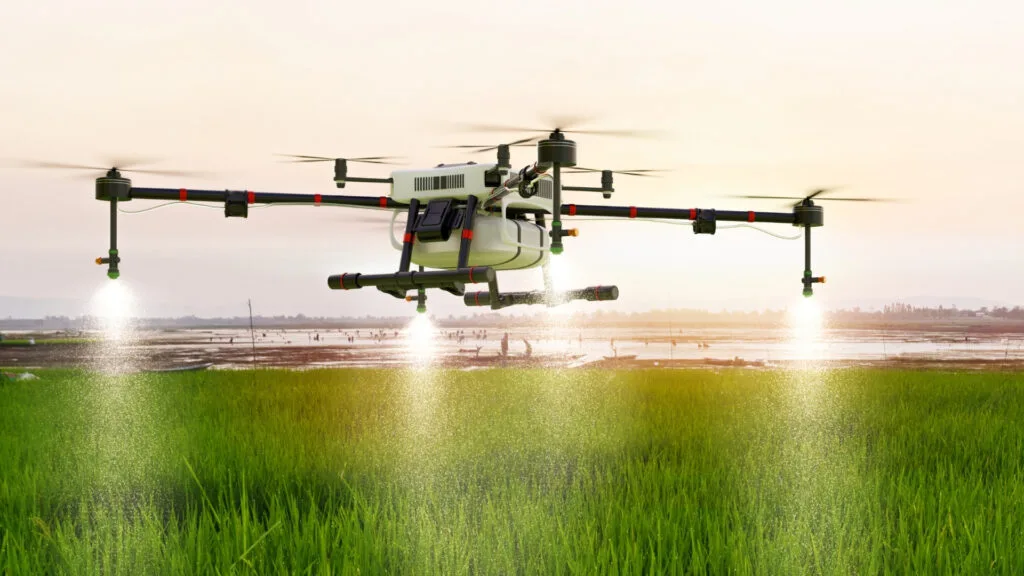
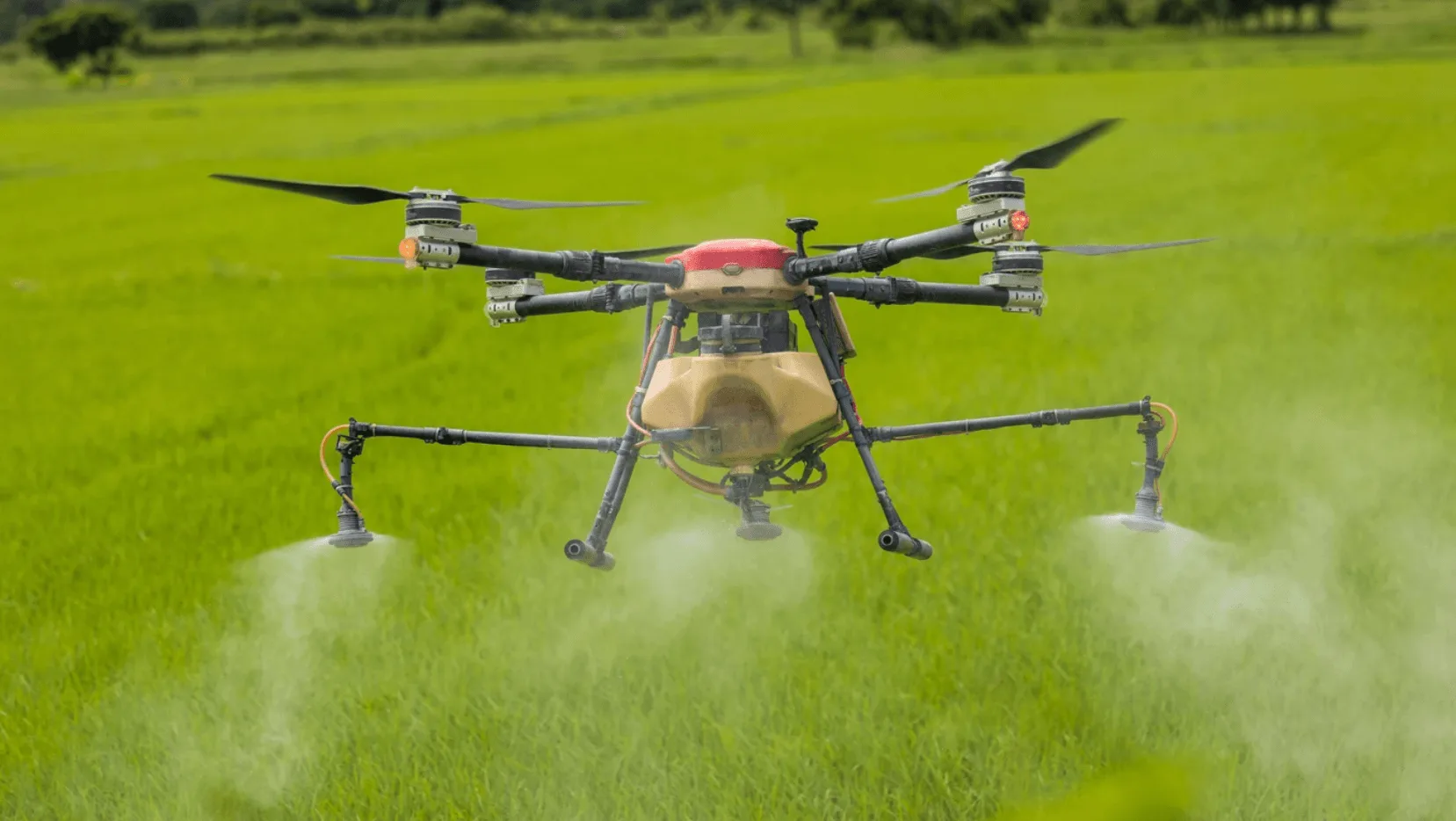
| What kind of drones work best for MRV in fields? | Multirotor agricultural drones with high‑resolution RGB and multispectral sensors are now considered essential for precision crop health monitoring, as detailed in Pixella’s guide to the 10 best agricultural drone types. |
| What role does AI play in drone‑verified carbon credits? | On‑board and cloud AI interpret drone imagery into biomass, yield, and soil management indicators, enabling automated carbon quantification, similar to the AI capabilities discussed in Pixella’s AI drone insights. |
1. What Are Drone‑Verified Carbon Credits In Agri‑Fintech?
Drone‑verified carbon credits are carbon units generated from agricultural practices where drones continuously document how the land is managed and how much carbon is stored or emissions are reduced.
In 2026, these credits sit at the intersection of agronomy, technology, and finance, and they depend on digital MRV pipelines that are credible enough for registries, corporates, and regulators.
Within agri‑fintech, we treat every verified tonne of CO₂ as a programmable asset.
That asset is created using standardized methodologies, such as Verra’s VM0042 for Improved Agricultural Land Management, and is collateralized or financed through digital platforms that ingest drone data and issue credits to farmers’ accounts or wallets.
Drones provide the spatial and temporal resolution that satellites alone cannot match at farm scale.
They fly low and slow, collect centimeter‑level imagery, and deliver granular views over sowing, residue management, cover cropping, and input optimization, which are the practices that actually drive carbon outcomes.


2. The Agri‑Fintech Stack Behind Drone‑Verified Credits
Our perspective in 2026 is simple, a viable agri‑carbon system needs an end‑to‑end stack, from sensors in the sky to issuance on financial ledgers.
We see four tightly coupled layers that define this stack for India and global markets.
- Hardware layer: enterprise‑grade agricultural drones with RGB, multispectral, and thermal payloads, such as those in Pixella’s enterprise drone range.
- AI & analytics layer: algorithms that convert raw pixels into vegetation indices, biomass estimates, and practice detection signals.
- MRV & registry layer: standardized workflows aligned with VM0042, including field boundaries, sampling frameworks, and audit trails.
- Fintech layer: farmer wallets, carbon accounts, tokenization options, and integration with lenders or commodity buyers.
In India, this stack must also respect DGCA rules, which define how agricultural drones fly, at what altitudes, and with what permissions, as outlined in India’s drone rules overview.
This regulatory alignment is not a formality, it is what keeps MRV flights legally valid and audit‑ready, especially when credits are later scrutinized by external verifiers.


3. Why Drones Beat Traditional MRV For Agricultural Carbon
Traditional soil carbon projects relied on sporadic ground sampling and occasional satellite imagery, which introduced uncertainty and sampling bias.
In 2026, drone‑based MRV significantly tightens that uncertainty budget, especially when integrated with soil samples and remote sensing at scale.
Drones provide three decisive advantages for high‑integrity carbon credits.
- Spatial precision: centimeter‑level orthomosaics detect within‑field variability that coarse imagery misses.
- Temporal frequency: scheduled flights after key operations, such as tillage, sowing, and harvest, create a chronological audit trail.
- Practice attribution: image analytics can confirm cover crop presence, residue cover, buffer strips, or no‑burn compliance.
These capabilities directly address the concerns that carbon market bodies raised about additionality, leakage, and permanence, which is why VM0042 explicitly welcomes digital MRV inputs.
For farms, the result is practical, better data leads to higher confidence from buyers and financiers, which in turn can improve per‑tonne pricing and long‑term offtake stability.
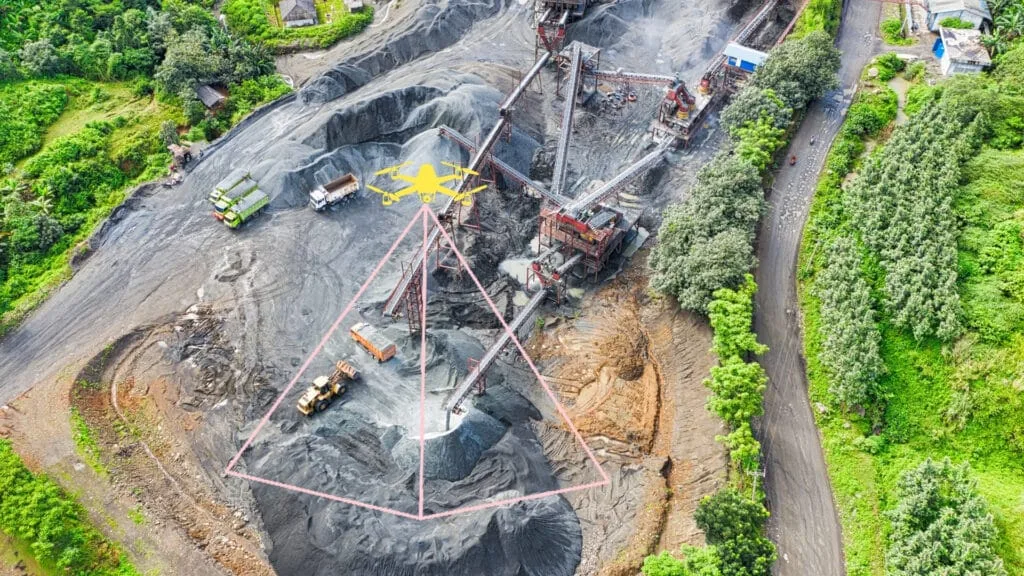
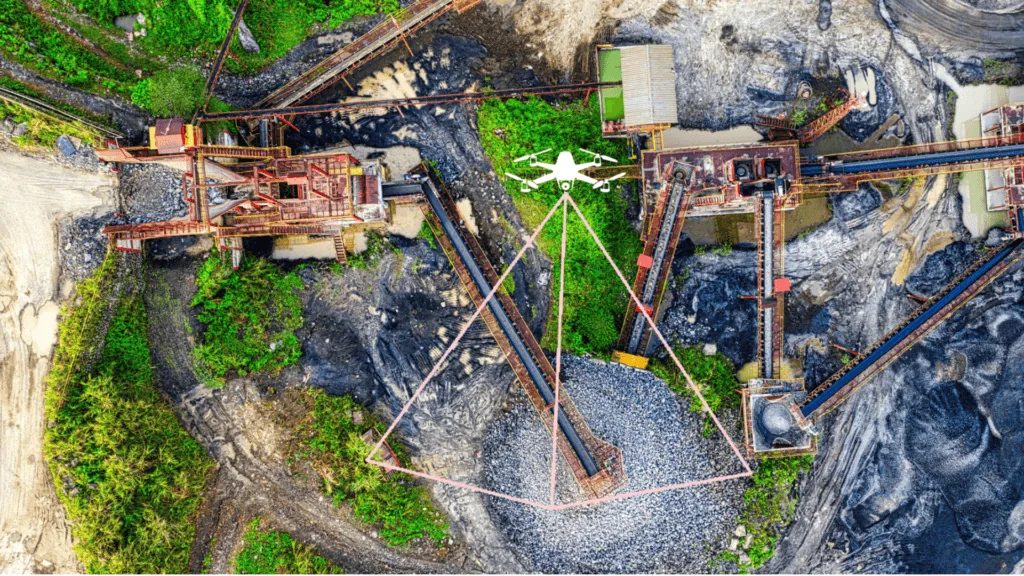
This infographic outlines the 3-step drone-verified carbon credits workflow in agriculture. It shows how drone data, analytics, and verification unlock carbon credits for farms.
4. VM0042, ICVCM, And The Global Standard For Drone‑Backed Credits
Any agri‑fintech initiative that uses drone data must respect evolving global standards, otherwise the credits will not clear institutional buyers in 2026.
Verra’s VM0042 methodology for Improved Agricultural Land Management is now the reference point, and its version 2.2 has earned ICVCM’s Core Carbon Principles approval, which significantly raises the bar for integrity.
VM0042 explicitly acknowledges remote sensing and digital MRV, which opens a formal pathway for drone imagery to act as verifiable evidence of practices and outcomes.
For Indian and global projects, that means our drone flight logs, image metadata, and processing workflows need to be transparent and reproducible, ready for third‑party validation at any time.
In parallel, Verra’s ongoing consultation on VM0042 in 2026 is tightening rules on sampling design, permanence buffers, and data quality tiers.
We design our drone programs and software to anticipate these revisions so that projects remain compliant across their 10 to 20 year crediting periods instead of chasing each update reactively.
5. Design Of A Drone‑Enabled MRV Workflow On Indian Farms
On the ground, a credible drone‑enabled MRV system does not start with flights, it starts with field design and data governance.
We typically follow a three‑stage structure when we work with producers and agri‑fintech partners in 2026.
- Baseline phase: capture pre‑project drone imagery, historical management data, and initial soil samples to define the “business as usual” scenario.
- Implementation phase: coordinate drone missions around key events, such as sowing conservation tillage, applying organic amendments, or establishing cover crops.
- Verification phase: aggregate multi‑year time series, run AI models, and generate evidence dossiers for verifiers and registries.
Our agricultural drones, like those profiled in Pixella’s 10 best agricultural drone types guide, are flown using pre‑planned routes with consistent altitude, overlap, and speed settings so image datasets remain comparable across seasons.
All this is done within the constraints of India’s Drone Rules, with proper registration and permissions to ensure that every MRV flight is both technically robust and legally compliant.
6. Turning Drone Data Into Carbon Finance For Farmers
Drone images by themselves do not pay farmers, it is the downstream agri‑fintech architecture that converts verified data into money.
We see three dominant product patterns in 2026 that use drone‑verified carbon outcomes as a financial backbone.
| Fintech Product | How Drone Data Is Used | Farmer Benefit |
|---|---|---|
| Carbon income sharing | MRV confirms practices and tonnes, registry issues credits, fintech distributes revenue. | New annual cash flow besides crop sale. |
| Green input financing | Projected credits secure loans or discounts on seeds, bio‑fertilizers, or equipment. | Lower upfront cost to adopt regenerative practices. |
| Performance‑linked crop loans | Drone‑derived risk scores lower perceived default risk. | Better credit terms for compliant and high‑performing farmers. |
For Indian banks and NBFCs, drone‑verified carbon credits are useful collateral proxies, because they indicate both agronomic discipline and future revenue potential.
Corporate buyers, including climate‑conscious FMCG and IT firms, are already signaling preference for credits backed by digital MRV, since quality controversies in 2026 are pushing them towards traceable and high‑integrity supply.
7. AI‑Driven Analytics: From Drone Pixels To Carbon Numbers
The real engine of drone‑verified credits is not just airborne hardware, it is the AI that translates raw imagery into agronomic insights and then into carbon accounting inputs.
In 2026, our AI workflows usually follow a four‑step chain.
- Image preprocessing: orthorectification, radiometric calibration, and stitching of drone images into coherent mosaics.
- Feature extraction: vegetation indices, canopy height models, residue cover classification, and water stress detection.
- Practice inference: detection of no‑till versus conventional tillage, identification of cover crops, and assessment of crop rotations.
- Carbon modeling: feeding these features into soil and biomass models that comply with VM0042 parameterization.
We align this with the same AI principles we use in other sectors described in Pixella’s AI drone vision, with emphasis on reliability, explainability, and human oversight when credits and finance depend on these models.
For national programs under Viksit Bharat, this combination of Indian‑built technology and globally accepted standards positions the country as a supplier of high‑quality, tech‑verified soil carbon credits rather than a passive buyer.

8. Building India‑First Agri‑Carbon Infrastructure With Pixella Drones
Under Atmanirbhar Bharat, India has committed to indigenous capability in critical technology domains, and drones for agriculture and climate are central to that mission.
Our role is to design, build, and support systems that help Indian farmers, cooperatives, and state agencies participate in this new carbon economy with home‑grown equipment and expertise.
Pixella Enterprise Drones For Agricultural MRV
Our enterprise drone platform offers multi‑payload options for agriculture, mapping, and surveillance, which are all relevant in MRV contexts.
These systems integrate high‑resolution cameras, robust communication links, and autonomous flight capabilities suitable for covering thousands of hectares in a structured, repeatable way.
Consumer And Prosumer Drones For FPOs And Smaller Holdings
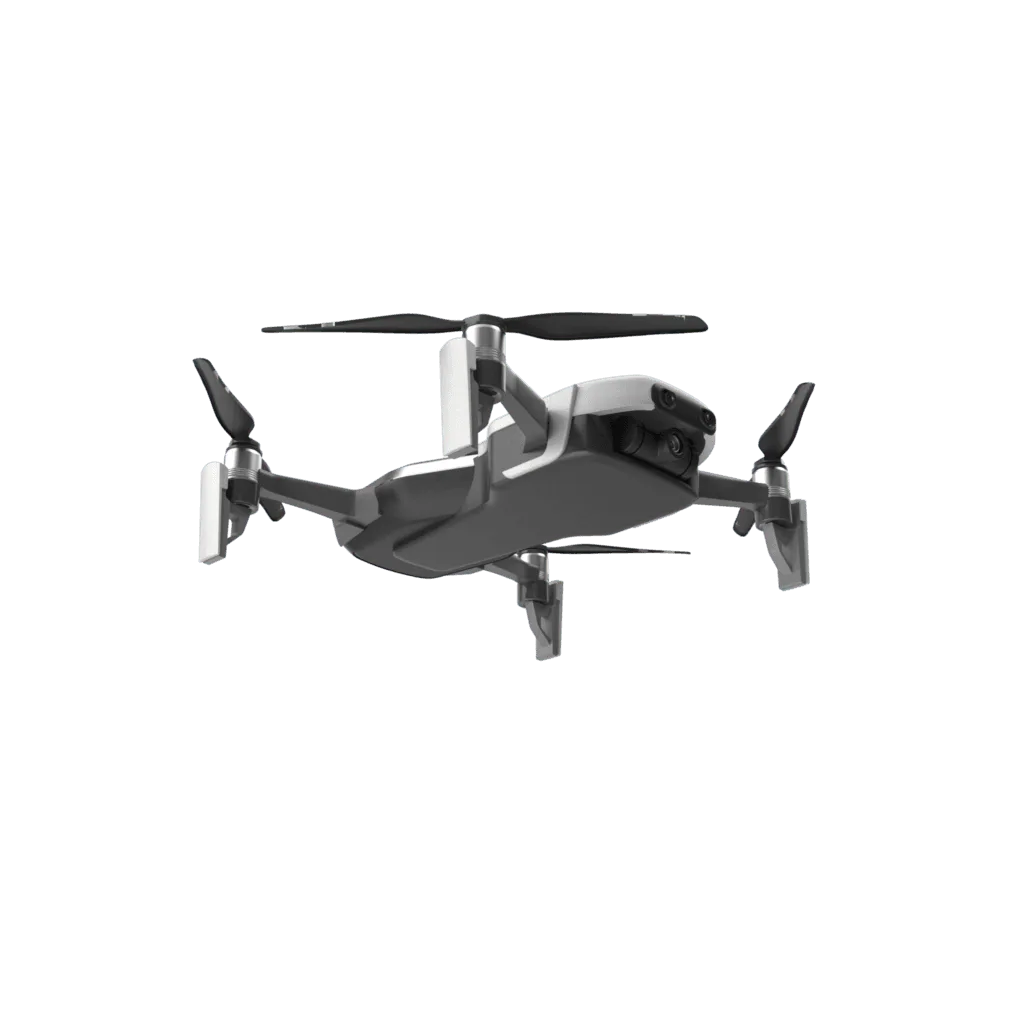
Farmer Producer Organizations and progressive individual farmers can benefit from lower‑weight yet capable platforms, like the systems described in Pixella’s consumer drone lineup.
These drones bring DGCA‑approved safety and smart flight modes to smaller land parcels, which is critical in India’s highly fragmented landholding landscape.
9. Risk, Integrity, And Governance In Drone‑Verified Credits
Agri‑fintech platforms that rely on drone‑verified credits must accept that data alone does not guarantee integrity, the governance around that data matters just as much.
In 2026, three categories of risk dominate our design discussions on high‑integrity agri‑carbon offerings.
- Data risk: incorrect flight planning, poor calibration, or lost records can invalidate evidence, so we use redundant storage, strict SOPs, and cryptographic signatures on data packages.
- Methodology risk: VM0042 and related methodologies will evolve, so we design our data schemas and pipelines to be re‑mappable as formulas and parameters change.
- Market risk: buyer preferences are shifting towards high‑integrity and ICVCM‑approved credits, so drone‑verified projects must visibly comply with these labels.
Corporate buyers in India and globally are increasingly aware of high‑profile investigations into carbon quality, and they are responding by asking how MRV is performed, at which resolution, and with what toolchain.
By providing clear documentation for our drone missions and analytics, we help counterparties answer those questions in a straightforward, technical way instead of relying on generic assurances.

10. Global Benchmarks: What Large‑Scale Projects Teach Indian Agri‑Fintech
The largest agricultural carbon projects in 2026 provide a blueprint for how Indian ecosystems can integrate drones, fintech, and robust MRV to compete at scale.
Verra’s issuance of 3.03 million soil carbon credits from Boomitra’s Northern Mexico Grassland project, which covers about 4 million acres, proves that remote‑sensing‑driven MRV can support multi‑million‑tonne outcomes when executed with rigor.
Africa’s first VM0042 project and the early VCUs from the Involtor Future Agriculture East‑Europe initiative show that multiple regions can adopt a common methodology while tailoring MRV stack components to local conditions.
For Indian institutions, the lesson is clear, combining drone flights, satellite data, soil sampling, and digital record‑keeping is no longer experimental, it is emerging as the default pattern for credible soil carbon projects across continents.
When we anchor this pattern in India’s own agricultural priorities, such as soil health, water security, and income diversification, drone‑verified carbon credits become a tool for national resilience, not just a niche financial product.
This aligns directly with the vision of Viksit Bharat, where advanced technology and rural prosperity are developed together, instead of in isolation.

11. Roadmap For Farmers, FPOs, And Financial Institutions In 2026
Drone‑verified carbon finance will not materialize automatically, every stakeholder in the agricultural value chain has specific steps to take in 2026.
We encourage a phased, capability‑building approach that starts with data and ends with finance.
Step 1: Establish drone operations for agronomy first, then extend them to MRV and carbon,
Step 2: Partner with methodology‑aligned developers and verifiers,
Step 3: Connect MRV outputs to carbon buyers and financial products.
Farmers and FPOs can begin by adopting agricultural drones for precision crop health monitoring and input optimization, using resources such as this guide to agricultural drones to understand operational benefits.
Banks and agri‑fintech startups can then integrate drone‑derived risk scores and credit issuance projections into their underwriting models, while collaborating with project developers who are experienced in VM0042 documentation and verification cycles.

Conclusion
In 2026, agri‑fintech built on drone‑verified carbon credits is no longer theoretical, it is already operating at multi‑million‑tonne scale globally and is ready for decisive adoption in India.
By combining indigenous technology, rigorous MRV aligned with VM0042, and innovative financial products, we can convert sustainable farming practices into reliable revenue streams, supporting both national climate commitments and rural prosperity.
Our focus is to engineer the drones, data pipelines, and partnerships that make this system practical at the level of individual fields, FPO clusters, and entire states.
With disciplined execution and India‑first innovation, drone‑verified carbon credits can help build a more resilient, prosperous, and climate‑secure agricultural economy for the decades ahead.