
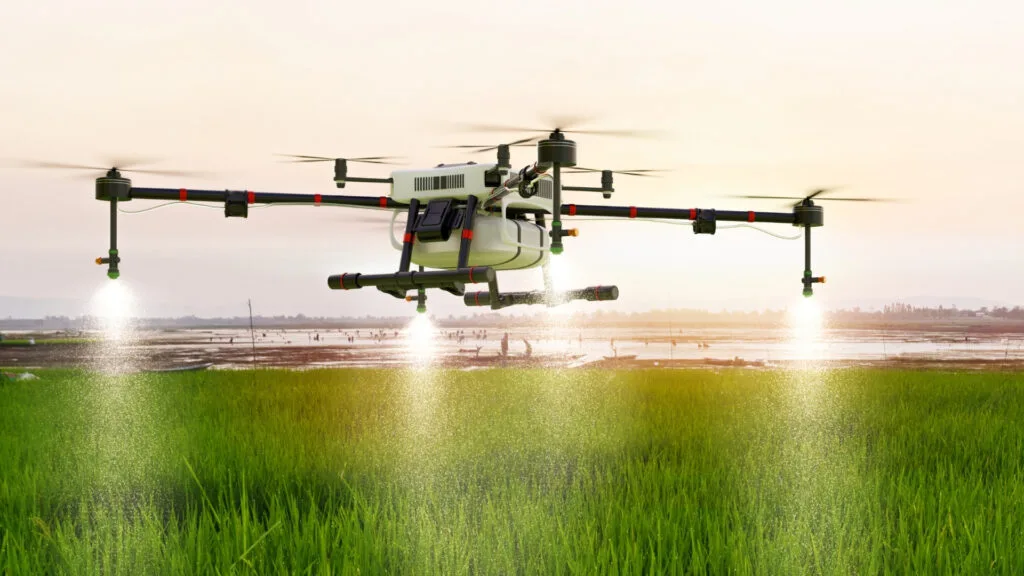
Drone spraying can now be up to 68 times faster than traditional ground spraying, which is why in 2026 precision crop health monitoring with drones is moving from “nice to have” to “non‑negotiable” for serious farms. In this guide, we break down the best agricultural drone types, payloads, and intelligent workflows that we, as an indigenous deep‑tech company, see delivering reliable results in real Indian and global fields.
Key Takeaways
| Question | Answer |
|---|---|
| What is the best type of agricultural drone for crop health monitoring in 2026? | For most farms, a multirotor drone with RGB plus multispectral sensors is the best balance of cost, coverage, and precision. Our enterprise drones category shows how multi‑payload platforms support this. |
| How accurate is drone crop health data? | Well configured systems can reach around 90% data accuracy compared with traditional field scouting, which is enough to drive precise variable‑rate interventions and fertilizer plans. |
| Can a single drone handle both spraying and monitoring? | Yes, modular multi‑payload platforms let you swap between spraying tanks and imaging payloads for crop analysis, seeding, and soil monitoring, as described in our Drones in Agriculture: A Green Revolution article. |
| Are agricultural drones legal and supported in India? | Yes, DGCA rules clearly define categories, registration, and pilot requirements. Our Drone Rules guide and subsidy section help farmers fly smart and compliant in 2026. |
| Do I need AI for crop health monitoring? | AI is not mandatory, but AI‑enabled analytics can classify crop health and detect stress patterns far faster than manual analysis, as we discuss in AI Takes Flight: The Future of Intelligent Drones. |
| Where can I learn more about our vision and technology stack? | You can explore our journey as a Make in India deep‑tech company on the About Pixella page, where we share how we blend AI, robotics, and aeronautics for agriculture and beyond. |
1. Why Agricultural Drones Are Now Essential For Precision Crop Health In 2026
In 2026, precision farming is shifting from experimental projects to a core operating model, and agricultural drones sit at the center of this shift. High‑resolution imaging, multi‑sensor fusion, and AI analytics give farmers a living, digital twin of their fields instead of a snapshot once per season.
We see farms using drones not only to “take pictures” but to quantify stress, track crop vigor, validate irrigation decisions, and support every input decision across the season. This is how Indian agriculture aligns with the vision of a data‑driven, #ViksitBharat food system.

2. Key Drone Technologies That Matter For Crop Health Monitoring
Not every drone is suitable for agricultural decision‑making, because crop health work needs the right blend of imaging, endurance, and precision navigation. We engineer our platforms with AI, advanced imaging, and robust flight controllers so that the data you capture is as reliable as a lab report.
In 2026, the most impactful technologies are multi‑spectral cameras, RTK or PPK positioning for centimeter‑level geolocation, terrain following for uniform altitude, and AI on the edge that can pre‑classify stress zones before the drone even lands. When these pieces come together, the result is less scouting time and more time acting on insights.

3. Best Multirotor Agricultural Drones For Detailed Crop Health Maps
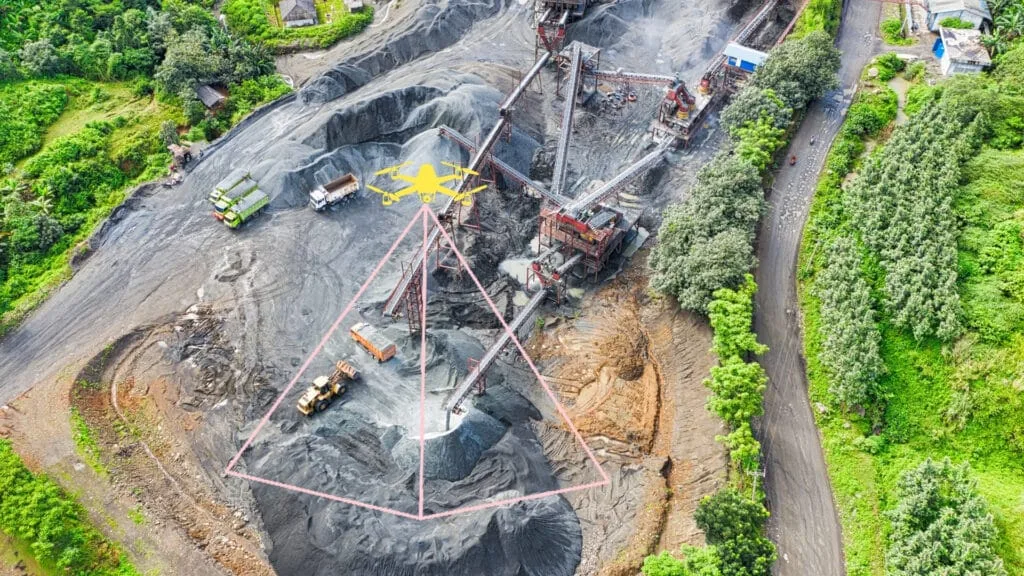
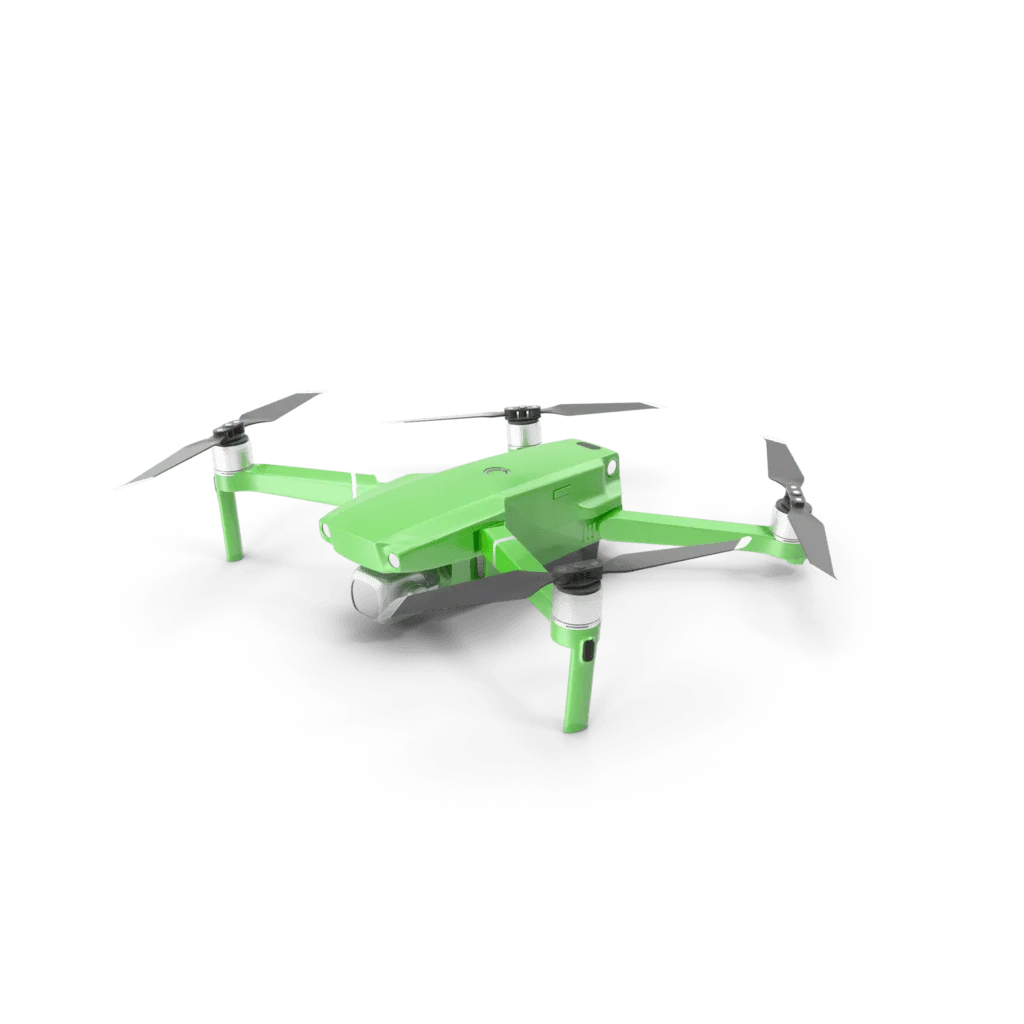
For most farms, multirotor drones are the workhorse for crop health monitoring because they can hover, follow complex paths, and operate accurately at low altitude. They are ideal when you need high‑detail maps over 20 to 40 hectare blocks and when field boundaries are irregular, which is common in Indian conditions.
Why We Prefer Multi‑Payload Multirotors
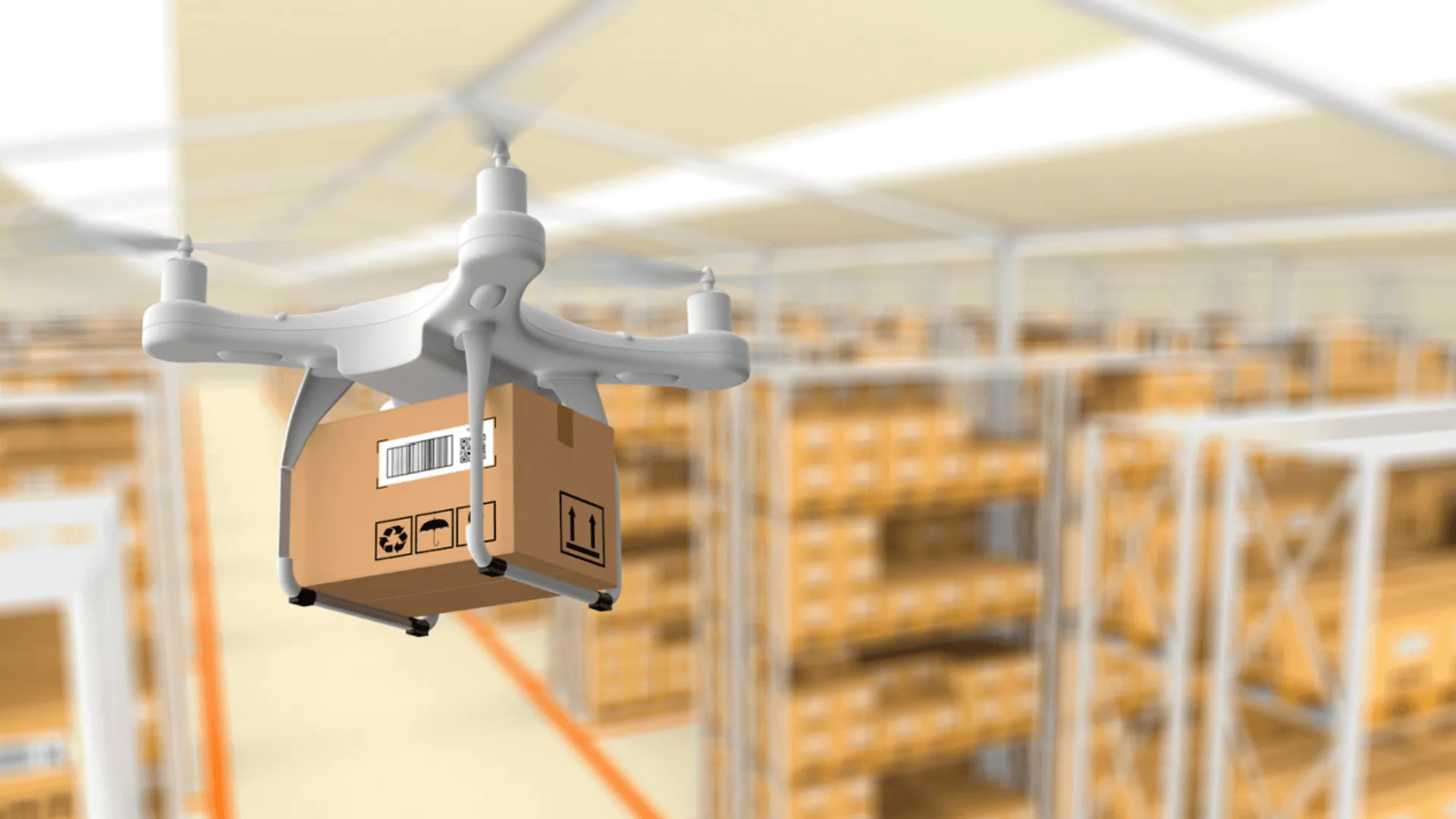
Our multi‑payload enterprise platforms let you switch between RGB cameras, multispectral sensors, sprayers, and seeding modules without changing the core airframe. This reduces total cost of ownership while enabling a single drone to cover imaging, analysis, and intervention missions across the season.
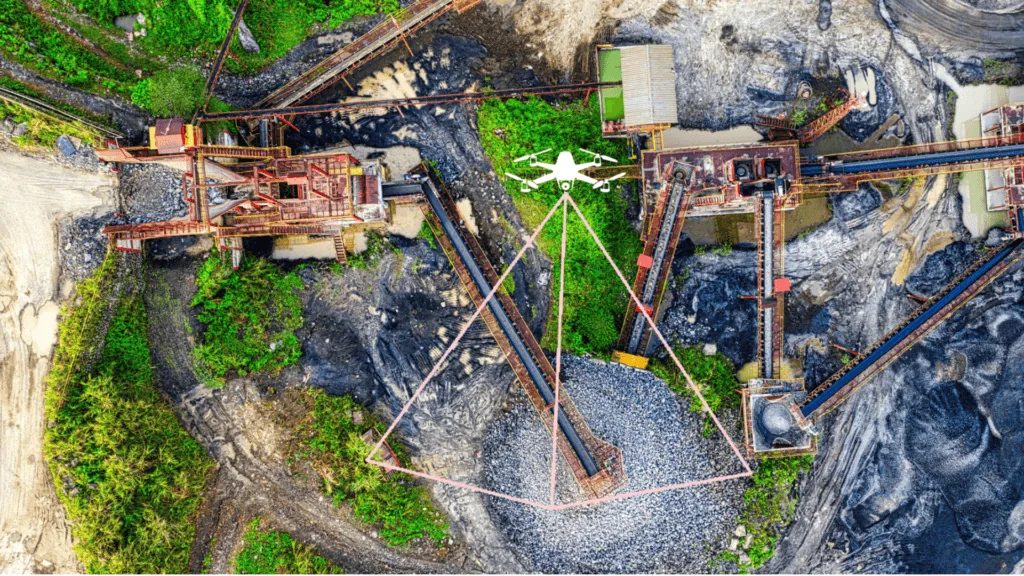
In practical field campaigns, these drones can provide sub‑5‑centimeter per pixel resolution, which is sufficient to detect early disease patterns, weed patches, lodging, and irrigation failures long before they are visible at ground level.
An infographic highlighting the five benefits of using drones to monitor crop health and optimize yields.
4. Fixed‑Wing Agricultural Drones For Large Farm Crop Health Surveys
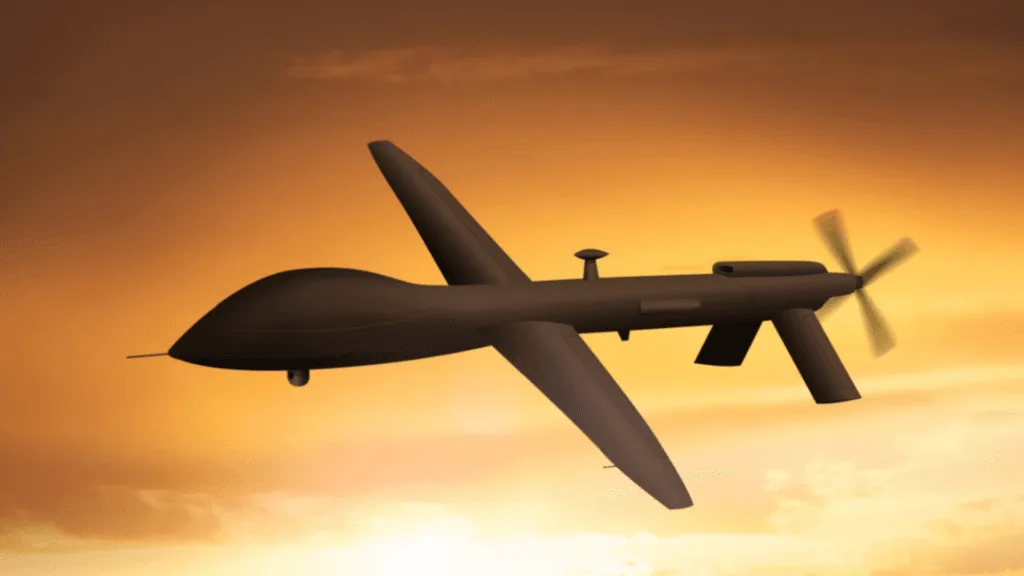
Where field sizes stretch into hundreds of hectares, fixed‑wing drones become the best choice, because they cover significantly more area per flight while preserving adequate resolution. While multirotors are ideal around 20 to 40 hectares per sortie, fixed‑wings can cover 800 to 1,200 hectares per flight in optimal conditions.
In India, fixed‑wing platforms are particularly effective for large cereal, cotton, and sugarcane belts where the primary need is consistent NDVI or similar vegetation indices, not ultra‑fine visual detail. Data from such flights can then guide targeted multirotor scouting over specific stress zones.
| Drone Type | Typical Coverage Per Flight | Best Use Case |
|---|---|---|
| Multirotor | 20–40 hectares | High detail, irregular fields, spot analysis |
| Fixed‑wing | 800–1,200 hectares | Large farm surveys, regional crop assessments |
5. Sensor Payloads: RGB, Multispectral And Thermal Cameras For Crop Health
Choosing the right sensor matters more than choosing the most expensive drone, because crop health is fundamentally a data problem. RGB cameras help you visually interpret disease and stand gaps, while multispectral sensors quantify subtle differences in plant reflectance that the human eye cannot see.
In modern trials, multispectral cameras have differentiated crop varieties with more than 98 percent accuracy, highlighting how sensitive these sensors are to biochemical differences. When we combine this with indices such as NDVI, we see strong correlations with biomass, nitrogen status, and yield potential at multiple growth stages.
- RGB payloads: Best for general scouting, documentation, and sharing with agronomists.
- Multispectral payloads: Essential for nutrient mapping, stress detection, and variable‑rate prescriptions.
- Thermal payloads: Valuable for irrigation audits and spotting water stress early.
6. AI‑Powered Crop Health Analysis And Intelligent Flight Planning
In 2026, the “best” agricultural drones for crop health are not just flying cameras, they are intelligent systems that use AI for both flight and analytics. On the flight side, AI optimizes paths, respects no‑fly zones, and adjusts speed and altitude to maintain image quality under variable wind conditions.
On the analytics side, deep‑learning methods working on NDVI and other indices have already reached classification accuracies near 98 percent in research for health status mapping. This is the kind of intelligence we highlight in our work on intelligent drones, where the aircraft understands context instead of following blind waypoints.
From our perspective, the real value of AI drones is that they convert gigabytes of pixels into simple, actionable layers such as “healthy”, “stressed”, and “high‑risk”, which any field team can understand in minutes.

7. From Monitoring To Action: Integrating Spraying And Seeding Drones
The tightest systems use one set of flights for monitoring and another for precise interventions, with data directly guiding the mission profiles. With multi‑payload enterprise platforms, we can move from a stress map to an automated spraying or seeding mission in a single workflow without manual re‑planning.
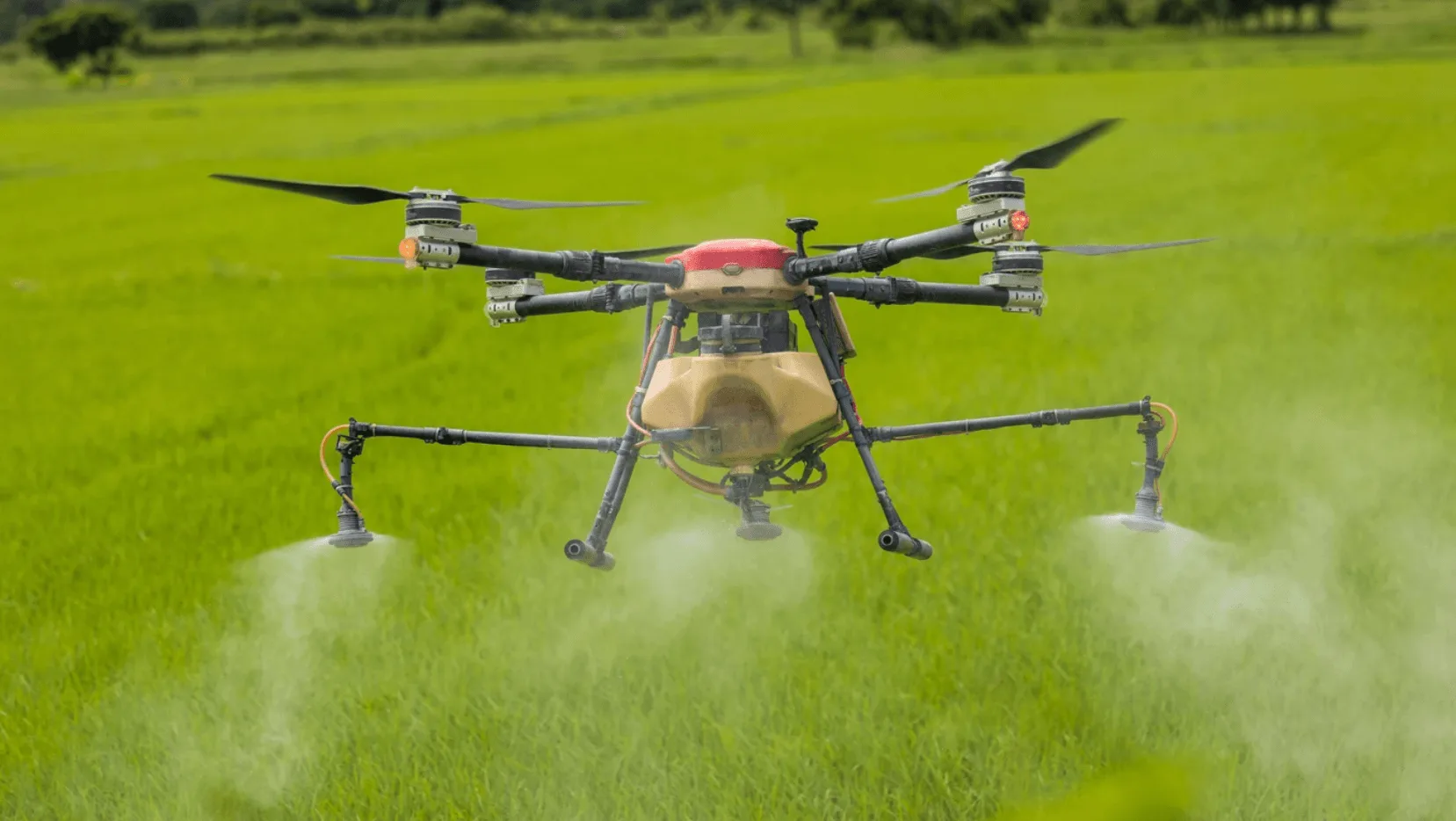
Drone spraying can be dramatically faster than tractor‑based methods and, more importantly, it is targeted, so only affected zones receive chemicals. The same applies to drone‑based seed spreading in cover crop programs or for gap‑filling in standing crops where re‑entry with heavy machinery is not possible.
- Use health maps to define treatment polygons for spraying drones.
- Schedule missions during optimal weather windows with automated safety checks.
- Log application data for compliance, audits, and learning across seasons.
8. Compliance, Safety, And Subsidies For Agricultural Drones In India
In 2026, the best agricultural drones for precision crop health are also the ones that are fully compliant with Indian regulations and safety norms. As a company aligned with #AtmanirbharBharat, we design our systems with DGCA rules in mind, so that farmers can focus on agronomy instead of paperwork.
Key requirements include registration, pilot training where applicable, respecting airspace categories, and following operational limitations around people and infrastructure. At the same time, progressive state and central schemes continue to provide subsidies that make precision drone technology more accessible to farmer producer organisations and cooperatives.


9. Choosing The Right Drone Platform: Enterprise Vs Consumer For Crop Health
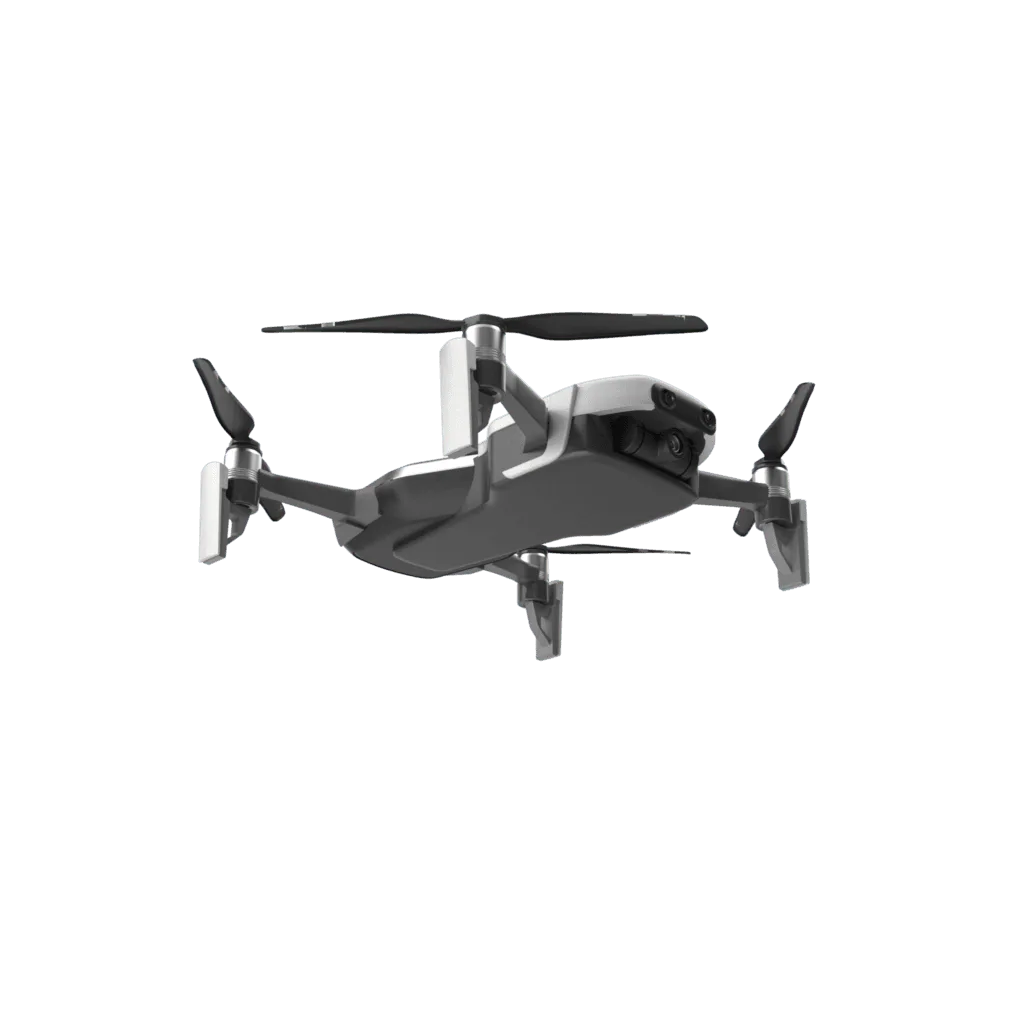
Not every farmer needs a full enterprise‑grade system on day one, especially if the primary goal is learning how drone data behaves in local conditions. Consumer‑class camera drones, when flown responsibly and legally, can be an entry point for basic crop scouting and imagery sharing with advisors.
However, once crop health monitoring becomes part of your standard operating procedure, we recommend shifting to enterprise agricultural drones. They provide higher endurance, weather resilience, payload flexibility, and better integration with agronomy workflows and data pipelines.
| Feature | Consumer Drone | Enterprise Agriculture Drone |
|---|---|---|
| Payload Options | Fixed RGB camera | Swappable RGB, multispectral, spraying, seeding |
| Coverage | Small plots, trials | Commercial‑scale farms and cooperatives |
| Integration | Basic photo/video export | GIS, agronomy software, prescription maps |

10. Future Directions: Swarms, Automation And Integrated Farm Intelligence
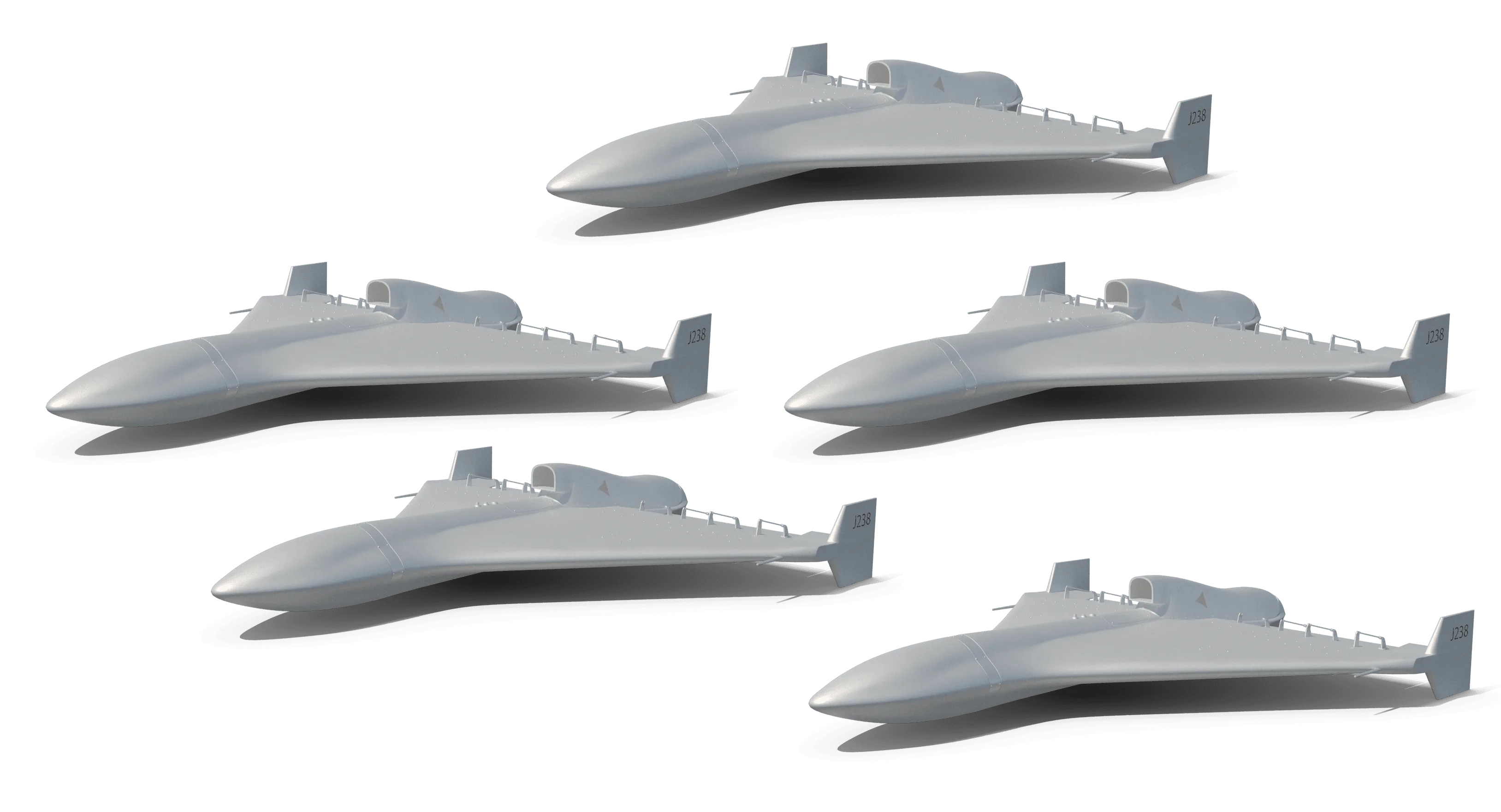
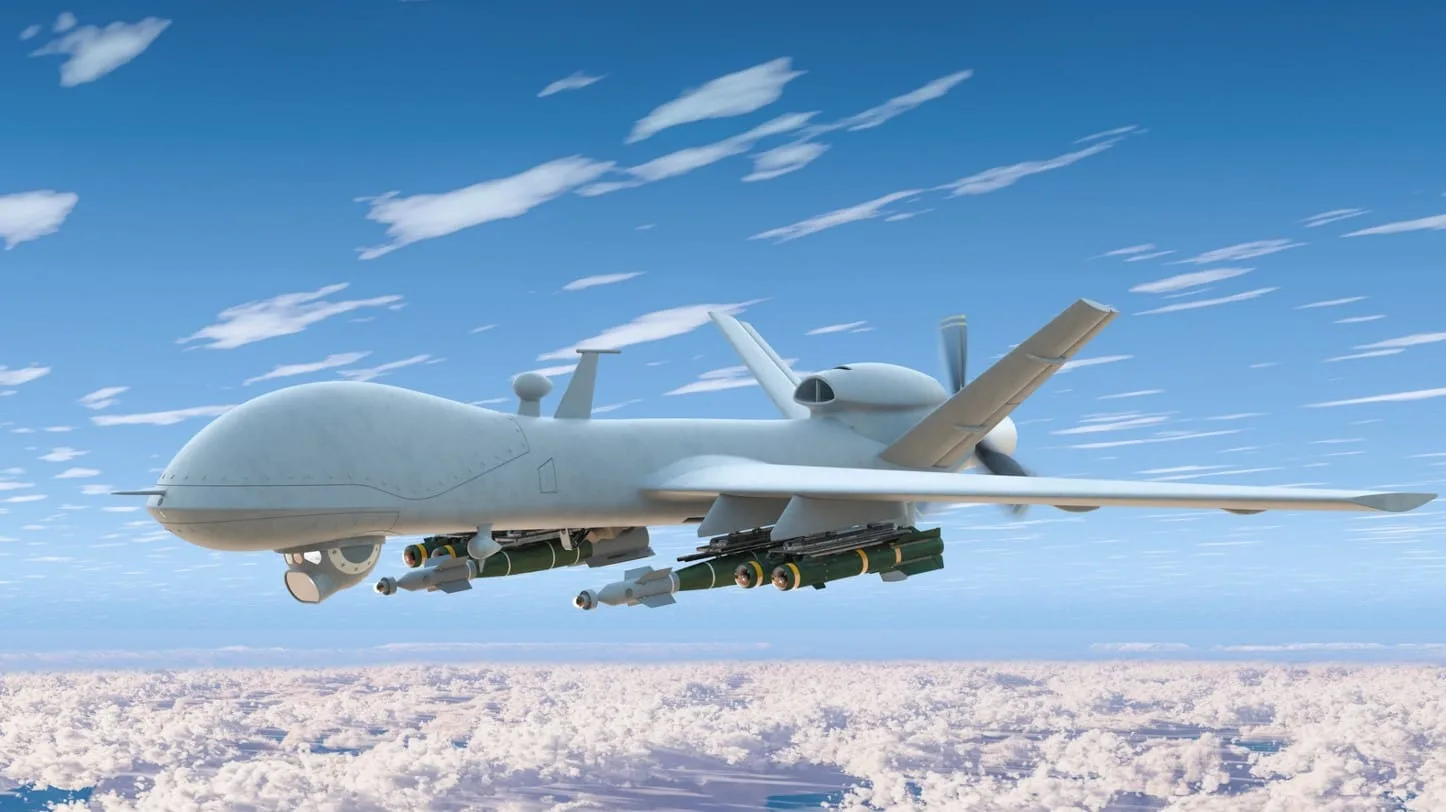
Looking ahead in 2026 and beyond, the best agricultural drones for precision crop health monitoring will operate less as standalone units and more as coordinated fleets. Swarms of smaller drones can cover large areas while maintaining high resolution, then hand over tasks to heavier sprayer drones for targeted interventions.
We also expect deeper integration with ground sensors, satellite feeds, and farm management software so that drone flights are triggered automatically by anomalies rather than fixed schedules. This is the direction we see as aligned with the national vision of resilient, high‑productivity agriculture powered by indigenous Technology and data sovereignty.
Conclusion
In 2026, “best agricultural drone” does not mean the biggest machine or the most expensive payload, it means the right combination of platform, sensors, AI, and workflows that gives your farm reliable crop health insights at the right time. Multirotor and fixed‑wing drones, RGB and multispectral sensors, and AI‑driven analytics now form a practical, field‑proven toolkit for Indian agriculture and global producers alike.
As a Make in India deep‑tech company, we are committed to building these systems locally, aligning with DGCA rules, and supporting farmers, cooperatives, and agri‑enterprises who want to put precision crop health monitoring at the heart of their operations. When Drones and Technology are designed with agronomy in mind, the skies truly become a partner in feeding the nation.